

Introduction to California Almonds
California almonds hold a significant place in the global nut industry, renowned not just for their flavor but also for their nutritional benefits. Almonds in California are cultivated predominantly in the Central Valley, an expansive region characterized by its fertile soil and favorable climate. These aspects contribute to the high quality and distinct taste of the almonds produced there. As the largest producer of almonds in the world, California accounts for over 80% of the supply, underscoring its importance in the nut market.
The process of cultivating almonds begins with the careful selection of the right almond varieties. Common types include Nonpareil, Carmel, and Sonora, each exhibiting unique characteristics that cater to diverse culinary applications. Almond cultivation in California generally commences with the planting of young trees in orchards where they can thrive under monitored conditions. Specifically, these trees require a well-drained soil and a Mediterranean climate, which delivers warm, dry summers and mild, wet winters. Farmers employ innovative agricultural techniques to ensure optimal growth, from irrigation systems that conserve water to pest management strategies that protect the crop’s health.
One of the unique aspects of California almonds is their commitment to sustainable farming practices. Many almond growers in the state adopt eco-friendly methods to minimize water usage and promote biodiversity within their orchards. This commitment not only enhances the environmental health of the regions but also contributes to the overall sustainability of almond production. Consequently, California almonds have earned a reputation for being not just delicious but also responsibly sourced. Enthusiasts and health-conscious consumers alike favor these nuts, which are often praised in culinary circles for their versatility and nutritional prowess.
Nutritional Profile of California Almonds
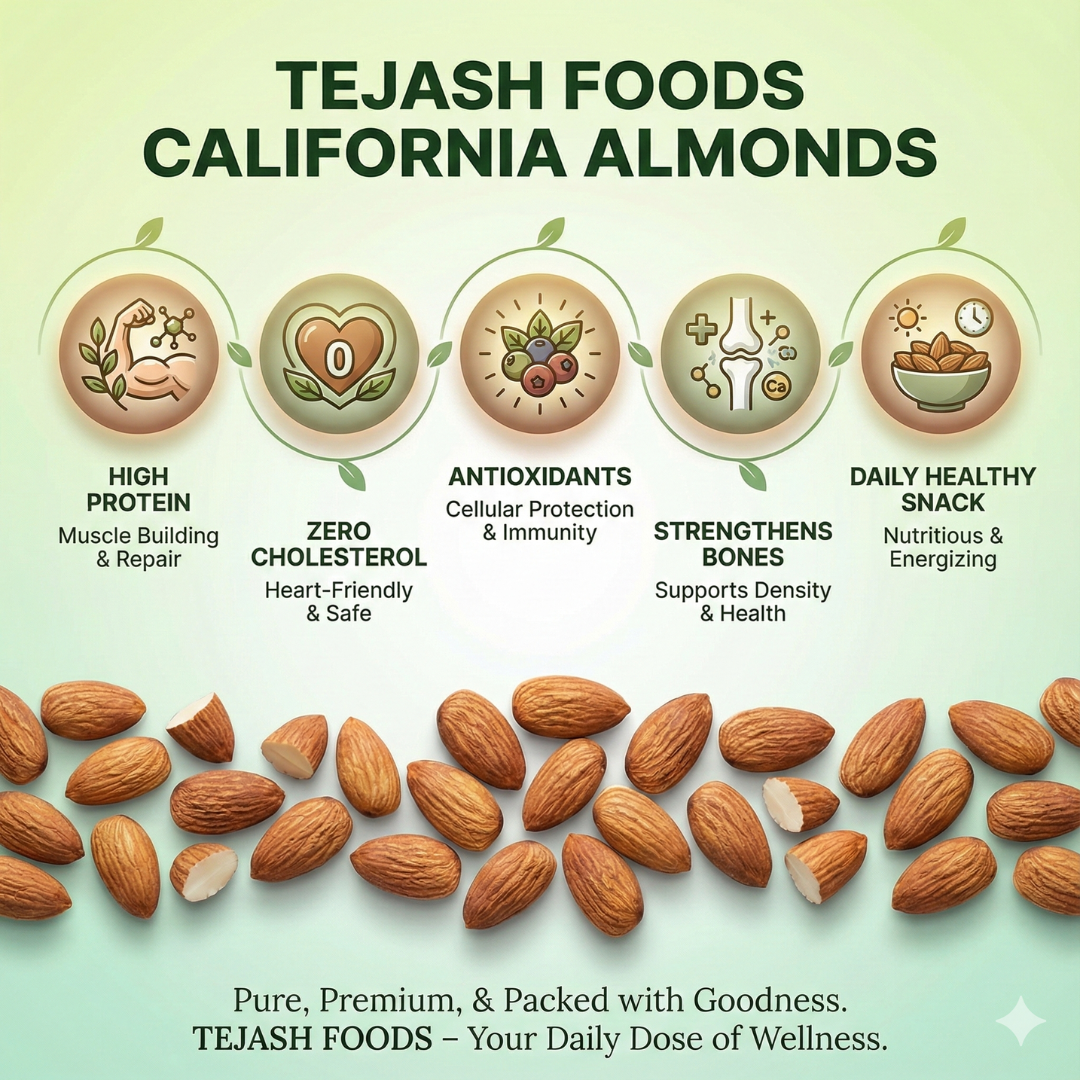
California almonds are a powerhouse of nutrition, boasting a remarkable macronutrient profile that contributes to their status as a healthful snack. Each serving, which typically constitutes one ounce or about 28 grams, contains approximately 6 grams of protein. This protein content is significant for those looking to enrich their diet with plant-based sources, supporting muscle repair and growth.
In terms of fat, California almonds are rich in healthy monounsaturated fats, which are known to promote heart health. These fats comprise about 14 grams per serving, contributing to heart health by helping to lower bad cholesterol levels, thereby reducing the risk of cardiovascular disease. Furthermore, almonds contain omega-3 and omega-6 fatty acids, essential for brain function and overall health.
Carbohydrate content is relatively low, with about 6 grams per serving, making almonds an excellent choice for low-carb diets. Additionally, California almonds are high in dietary fiber, with around 3.5 grams per ounce. This high fiber content aids digestion, promotes satiety, and can help manage blood sugar levels, offering various health benefits, particularly for individuals with diabetes.
California almonds are also packed with essential vitamins and minerals. They are a rich source of vitamin E, providing about 7.3 milligrams per serving, which is over a third of the daily recommended intake for adults. This antioxidant is crucial for protecting cells from oxidative stress, thus playing a role in reducing the risk of chronic diseases. Furthermore, almonds contain significant amounts of magnesium, calcium, and potassium, which are vital for bone health, muscle function, and maintaining normal blood pressure. Overall, the nutritional components of California almonds contribute significantly to a balanced diet and an array of health benefits.
Key Health Benefits of California Almonds
California almonds present a multitude of health benefits that contribute significantly to overall well-being. One of the most prominent advantages is their role in promoting heart health. Numerous studies suggest that the regular consumption of almonds can effectively lower LDL cholesterol levels, which is a key contributor to cardiovascular diseases. A study published in the Journal of the American Heart Association concludes that incorporating almonds into a diet can help reduce heart disease risk factors by improving blood lipid profiles and supporting arterial function.
Weight management is another area where California almonds shine. Despite being energy-dense, almonds are known for their satiating properties. Their high fiber, protein, and healthy fat content can lead to increased feelings of fullness, making it easier to maintain a healthy weight. Research indicates that including almonds in snack options can aid in weight loss efforts while still satisfying cravings, thereby promoting a balanced dietary approach.
Additionally, California almonds can play a significant role in diabetes control. The nuts have a low glycemic index, which makes them an ideal snack for individuals looking to manage their blood sugar levels. Studies have shown that consuming almonds can improve glycemic control and insulin sensitivity, key factors in preventing and managing type 2 diabetes.
Moreover, there is a growing body of evidence supporting the cognitive benefits of almonds. Nutrients found in these nuts, such as vitamin E, have been linked to improved brain function and reduced risk of neurodegenerative diseases. A clinical study revealed that participants who consumed almonds regularly displayed better cognitive performance and memory retention than those with lower almond consumption levels.
In conclusion, the diverse health benefits of California almonds make them an excellent addition to a balanced diet. Their contributions to heart health, weight management, diabetes control, and cognitive function underline why they are considered a superfood among nuts.
The Versatility of California Almonds
California almonds stand out not only for their nutritional value but also for their remarkable versatility in culinary applications. These nuts can easily be integrated into a wide array of dishes, making them an ideal choice for those seeking to enhance flavor, texture, and health benefits in their meals.
As a snack, California almonds can be enjoyed raw, roasted, or even spiced to suit personal taste preferences. Their crunchy texture makes them an excellent stand-alone treat, whether you enjoy them on their own or combined with dried fruits and other nuts. For a quick and nutritious snack, consider pairing almonds with yogurt or adding them to smoothies for added fiber and protein.
Incorporating California almonds into main dishes can be equally seamless. Sliced or slivered almonds can provide a delightful crunch when sprinkled over salads or grain bowls. Their subtle nutty flavor amplifies the overall taste profile, enhancing both savory and sweet preparations. Additionally, almonds can be ground into flour, serving as a gluten-free alternative in various recipes, from pancakes to bread.
When it comes to desserts, the possibilities are equally enticing. Almond butter, made from ground California almonds, can be spread on toast or used as a dip for fruit. Almonds can also be a key ingredient in baked goods, such as cookies, cakes, and pastries, contributing to both flavor and texture. For those with a sweet tooth, consider creating almond joy bars or incorporating almond milk into creamy desserts for a dairy-free option.
Ultimately, the diverse applications of California almonds allow for their use in an impressive variety of recipes and meal ideas. By exploring different ways to incorporate these nuts into your diet, you’ll not only enjoy their delicious taste but also reap their numerous health benefits.
Comparing California Almonds to Other Almond Varieties
California almonds stand out prominently in the global almond market due to their unique characteristics and distinct advantages over other almond varieties cultivated worldwide. One notable factor is their superior taste, which is often described as creamy and slightly sweet. This flavor profile is a result of the specific climate and cultivation practices found in California, where long, sunny days and cool nights create an ideal environment for almond maturation.
In contrast, varieties from regions such as Spain, the Middle East, and Australia often possess different flavor notes, sometimes described as more bitter or less complex. Furthermore, California almonds are known for their consistent quality, owing to strict agricultural standards enforced within the state. In comparison, almonds sourced from other regions might exhibit more variability in taste and texture, as their growing conditions are not as rigorously controlled.
The texture of California almonds is another key differentiator. They are typically firmer and crunchier, which enhances their appeal in both raw and roasted forms. This firmness contributes to their versatility in culinary applications, from baking and snacking to being used as an ingredient in various dishes. On the other hand, almonds from other countries can sometimes have a softer, less crunchy texture, which may impact their culinary usability.
Nutritionally, California almonds also lead the way. They are densely packed with essential nutrients, including healthy fats, protein, vitamins, and minerals. While many almond varieties offer similar nutritional profiles, California almonds are particularly high in vitamin E and magnesium, which are known for their numerous health benefits.
In summary, the combination of taste, texture, and nutritional superiority positions California almonds as the preferred choice among both consumers and culinary experts alike. The distinct attributes of this variety foster a strong reputation that solidifies its status as a global leader in the almond industry.
An Almond Lover’s Guide: Choosing the Best California Almonds
When it comes to enjoying California almonds, selecting the highest quality nuts is essential for both flavor and nutritional benefits. Several factors play a crucial role in determining the quality of almonds, which every almond enthusiast should consider before making a purchase.
First and foremost, freshness is a key indicator of high-quality California almonds. Fresh almonds should have a pleasant, nutty smell and a firm texture. They should be free of any off-putting or rancid odors, which can indicate spoilage. One effective way to ensure freshness is to check packaging dates. Look for nuts that have been packed recently, as this generally means they are fresher and have retained their flavor and nutritional properties.
Organic certification is another important factor when selecting almonds. Organic California almonds are grown without the use of harmful pesticides or synthetic fertilizers, making them a safer choice for health-conscious consumers. When shopping, look for products labeled with recognized organic certification to ensure you are purchasing quality almonds that align with your dietary preferences.
Packaging also significantly impacts the longevity and freshness of almonds. Choose almonds that are packaged in airtight containers or vacuum-sealed bags, as these options help to protect the nuts from exposure to air and moisture, which can lead to spoilage. Additionally, those who prefer buying in bulk should consider the exposure time when opening a larger package, and it is advisable to store any unused portion in an airtight container to maintain freshness.
For optimal storage, keep your California almonds in a cool, dark place, such as a pantry or refrigerator. If you plan to keep them for an extended period, freezing them can further prolong their freshness. By following these tips, almond lovers can ensure they select and store the best California almonds, enhancing their overall enjoyment and health benefits.
Sustainability and California Almond Farming
The California almond industry has made significant strides toward sustainability, recognizing the importance of environmentally-friendly farming techniques in ensuring the longevity of their crops and the surrounding ecosystem. Given that California produces over 80% of the world’s almonds, the practices adopted by almond farmers have profound implications not only for the local environment but also for global agricultural trends. Central to these sustainable practices is the responsible management of water resources, a critical issue in California, which frequently faces drought conditions.
Many almond farmers have turned to innovative irrigation methods to enhance water efficiency. The use of precision irrigation systems allows for the targeted application of water directly to the root zones of almond trees, minimizing wastage. Technologies such as drip irrigation and moisture sensors enable farmers to monitor soil conditions closely, ensuring that water is utilized judiciously and only when necessary. This shift towards more sustainable water management not only preserves this vital resource but also contributes to the overall health of the almond trees, ultimately enhancing yield.
Furthermore, California almond farmers are increasingly integrating cover cropping into their farming regimes. Cover crops serve multiple purposes: they help improve soil health, prevent erosion, and can contribute to pest management. By cultivating diverse plant species between almond rows, farmers create a more resilient ecosystem that supports beneficial insects and promotes biodiversity. This practice aligns with the broader goal of sustainable agriculture, which focuses on maintaining ecological balance while ensuring productive farming.
Another significant aspect of sustainability in almond farming is the commitment to reducing greenhouse gas emissions. Farmers are now exploring renewable energy sources, such as solar power, for their operations. Implementing such alternatives not only reduces reliance on fossil fuels but also mitigates the overall carbon footprint of almond production. Through these various initiatives, the California almond industry is steadfastly addressing environmental challenges and setting a standard for sustainable practices in agriculture.

Fun Facts About California Almonds
California almonds hold a prominent position in the world of nuts, with a fascinating history and impressive production statistics that highlight their significance in global agriculture. This remarkable nut is not only a staple in the culinary world but also plays a vital role in California’s economy. Did you know that approximately 80% of the world’s almonds are grown in California? This statistic underscores the state’s preeminent role in almond production, making it a key player in the international nut market.
Almond trees were first introduced to California in the mid-19th century when Franciscan missionaries brought them from Spain. Since then, the almond industry has expanded dramatically, becoming a cornerstone of California’s agricultural output. As of recent data, California almond growers produce about 2.5 billion pounds of almonds annually, showcasing this nut’s remarkable yield and popularity.
Another intriguing fact is that almond trees take about four to five years to bear fruit, but once they mature, they can produce for up to 25 years. These trees blossom beautifully in the spring, displaying an array of delicate white and pink flowers that attract pollinators such as honeybees. In fact, almond growers rely heavily on these bees, with the almond bloom being an essential time for beekeepers and farmers alike.
Furthermore, almonds are celebrated not only for their nutrition but also for their cultural significance. They have long been associated with health and longevity in various cultures, often symbolizing prosperity and fertility. This deep cultural embeddedness enhances appreciation for almonds, especially California almonds, and their integral role in diets around the world.
Conclusion: Embracing the Almond Lifestyle
In summary, California almonds exemplify the pinnacle of healthful snacking and culinary versatility. Their impressive nutritional profile makes them a superior choice for those seeking to enhance their diet. Rich in essential nutrients such as vitamin E, magnesium, and healthy fats, almonds offer significant health benefits. These include promoting heart health, aiding in weight management, and providing antioxidants that combat free radicals.
Incorporating California almonds into one’s daily routine is not just beneficial but also remarkably easy. Whether consumed raw, roasted, or as almond flour, these nuts can introduce a delightful crunch to a variety of dishes. From smoothies and salads to baked goods and trail mixes, the possibilities are endless. Moreover, their convenience makes them an ideal on-the-go snack, ensuring that you remain nourished even during the busiest of days.
Additionally, the consumption of almonds has been linked to improved blood sugar control, making them a smart choice for individuals looking to manage their diabetes or maintain stable energy levels. The protein and fiber content in these nuts plays a crucial role in promoting satiety, which may help curtail unnecessary snacking and contribute to weight loss efforts.
As the almond industry continues to thrive, it is clear that these crunchy superfoods deserve a prominent place in our diets. By embracing the almond lifestyle, individuals can enjoy not only the myriad health benefits but also contribute to sustainable agricultural practices in California. Therefore, it is highly encouraged to start including California almonds in your meals and snacks today, and experience firsthand the marvelous advantages these nuts offer for health and wellness.






Good Information